Making a planning application for a home extension can feel like a complex and daunting process, but with the right guidance and knowledge, it can be a smooth and successful project.
Step 1: Define Your Home Extension Project
Before beginning the planning application process, it is essential to clearly define your project. Determine the type of house extension you want, whether it is a single or double-storey extension or even a loft conversion. Consider the purpose of the extension and new space, such as additional living space, a new bedroom, or a home office. Take into account any size restrictions, building regulations, or limitations imposed by local authorities. Simply Extend offers a free site survey for all new home extension projects across London and the West Midlands. Our experienced surveyors will be able to determine the optimal type of extension for your project that meets your requirements and that is also suited to your property.
Step 2: Consult Local Planning Authority (LPA)
Contact your Local Planning Authority (LPA) to discuss your proposed home extension project. The LPA will provide guidance on the specific requirements, regulations, and documents needed for your application. They will inform you if your project falls under Permitted Development Rights, which allows certain types of home development without the need for a planning application or if you’ll need to apply for planning permission. Even if planning permission isn’t required, you still need to adhere to building regulations as this ensures the safety and quality of construction. We would always advise that you seek specialist support when consulting your local planning department and that you use the services of an architect (such as our in-house team) or planning consultant.

Step 3: Prepare the Application
To ensure a successful planning application, meticulous preparation is essential. Gather the necessary information, including architectural drawings, site plans, elevations, and photographs. These should accurately depict your existing property and the proposed extension. Detailed floor plans highlighting dimensions and materials to be used should also be included. It comes as a huge advantage to work with an architect for your house extension project as they will be able to guide you through this process, ensuring everything is prepared and professional, increasing your chances of approval. Our sister company, Simply Architects provides efficient and cost-effective architectural drawings for home extensions, combining style and functionality to create a stunning new space for your home.
Step 4: Submit the Application
Once you have completed the application form and gathered all necessary documents, submit your planning application to the LPA. Ensure that you provide the required number of copies as specified by the authority. Pay any applicable fees associated with the application submission, which can vary depending on the nature and size of the proposed extension.
In some cases, the LPA may require a public consultation process, allowing neighbours and local residents to review and comment on your proposed home extension. The LPA will notify you of any consultation requirements, including notification letters or public meetings. Take any feedback or concerns into account and address them appropriately.
Step 5: Decision
After the evaluation process, the LPA will provide a decision on your planning application. This can take several weeks or even months, depending on the complexity of the project and the workload of the authority. The decision can be one of the following:
Approval: Your application has been approved without any conditions or modifications. You can proceed with your house extension project following the approved plans.
Conditional Approval: The LPA has approved your application, but with specific conditions, such as alterations to the design or materials used. Ensure that you comply with these conditions in order to proceed.
Refusal: Your planning application has been denied. The LPA will provide reasons for the refusal, which may include non-compliance with local policies, concerns about impact on neighbours or the environment, or inadequate information or justification provided. You can choose to challenge the decision or modify and resubmit your application. Again, it is important that you work closely with an architect on this process to ensure that your application is the best it can be and that it meets requirements.
Step 6: Begin Construction of Your New Extension
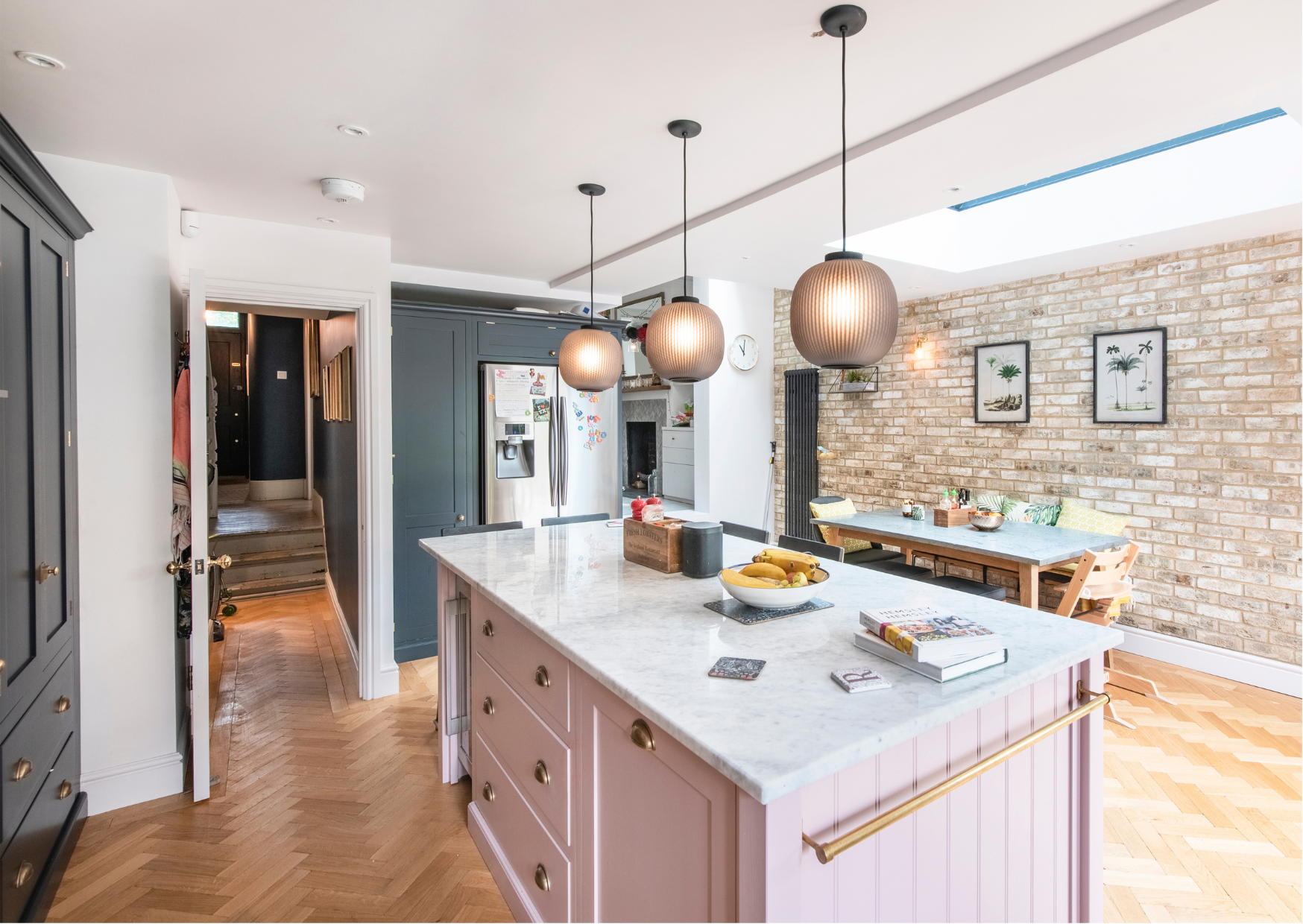
Upon receiving approval for your planning application, you can commence the construction of your home extension. Ensure that you comply with any conditions specified by the LPA and closely follow building regulations. Simply Extend uses a vetting process to ensure all builders are of the highest quality and offer incredible workmanship that is showcased in our stunning completed case studies. We also understand the fear and anxiety that can come with investing in your home, so we also offer a ten-year warranty for added peace of mind.
Step 6: Complete Home Extension
Once the construction of your home extension is complete, ensure that you have met all required building regulations and obtain any necessary completion certifications. Now you can enjoy your new space however you’d like.
If you’re considering a house extension in London or the West Midlands, contact our friendly team today on 0800 917 7571 to book in for your free site survey.