If you own a property in a conservation area, you might assume that strict planning restrictions mean extending your home is out of the question. However, this isn’t necessarily the case. While additional planning controls apply to properties in conservation areas, it is still possible to create a beautiful, practical house extension with the right design and planning approach.
In this guide, we explore what you need to know before extending a property in a conservation area and how to make your project a success.
What Is a Conservation Area?
A conservation area is a location recognised for its special architectural or historic interest. These areas are protected to preserve their character, appearance and heritage for future generations.
They can include historic town centres, traditional residential streets, Victorian and Edwardian neighbourhoods and areas with distinctive architectural styles.
If your property is within a conservation area, certain alterations and extensions may be subject to additional planning restrictions. The aim is to ensure that new developments respect the surrounding buildings and don’t negatively affect the area’s character.
Do You Need Planning Permission to Extend a House in a Conservation Area?
Not every house extension in a conservation area requires full planning permission. However, permitted development rights are more restricted than they are for properties outside designated areas.
For example, under permitted development rules in England:
- Side extensions generally require planning permission.
- Two-storey rear extensions require planning permission.
- Roof extensions are not permitted development.
- External cladding is not permitted development.
Some smaller, single-storey rear extensions may still fall within permitted development rights, provided they meet the relevant size, height and other conditions.
It’s also important to check whether an Article 4 Direction applies to your property. This can remove certain permitted development rights, meaning additional alterations may require planning permission.
Before starting any building work, check the specific restrictions affecting your property with your local planning authority.
What Types of Extensions Are Possible?
Although there are additional restrictions, there are still plenty of opportunities to improve and expand a home in a conservation area.
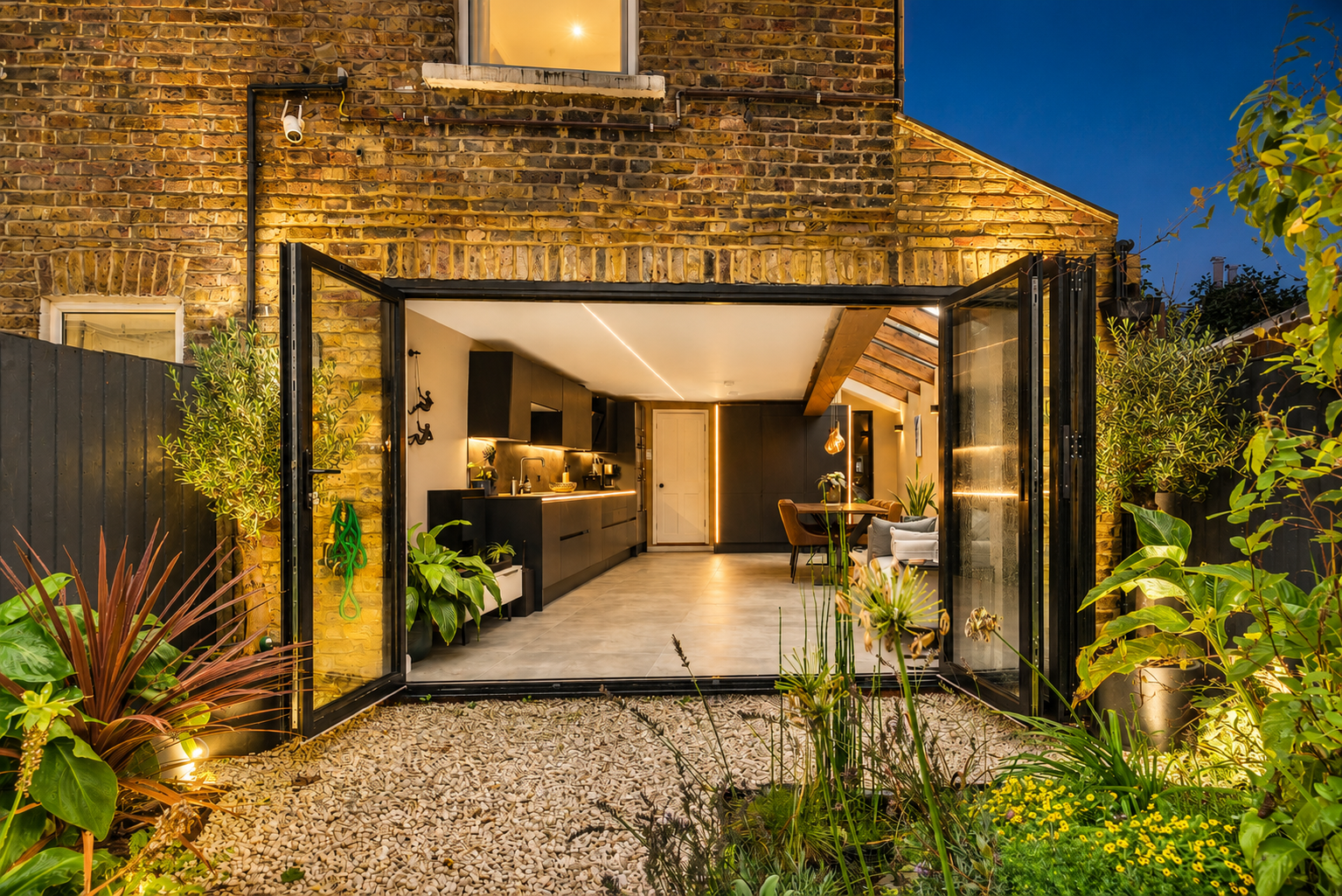
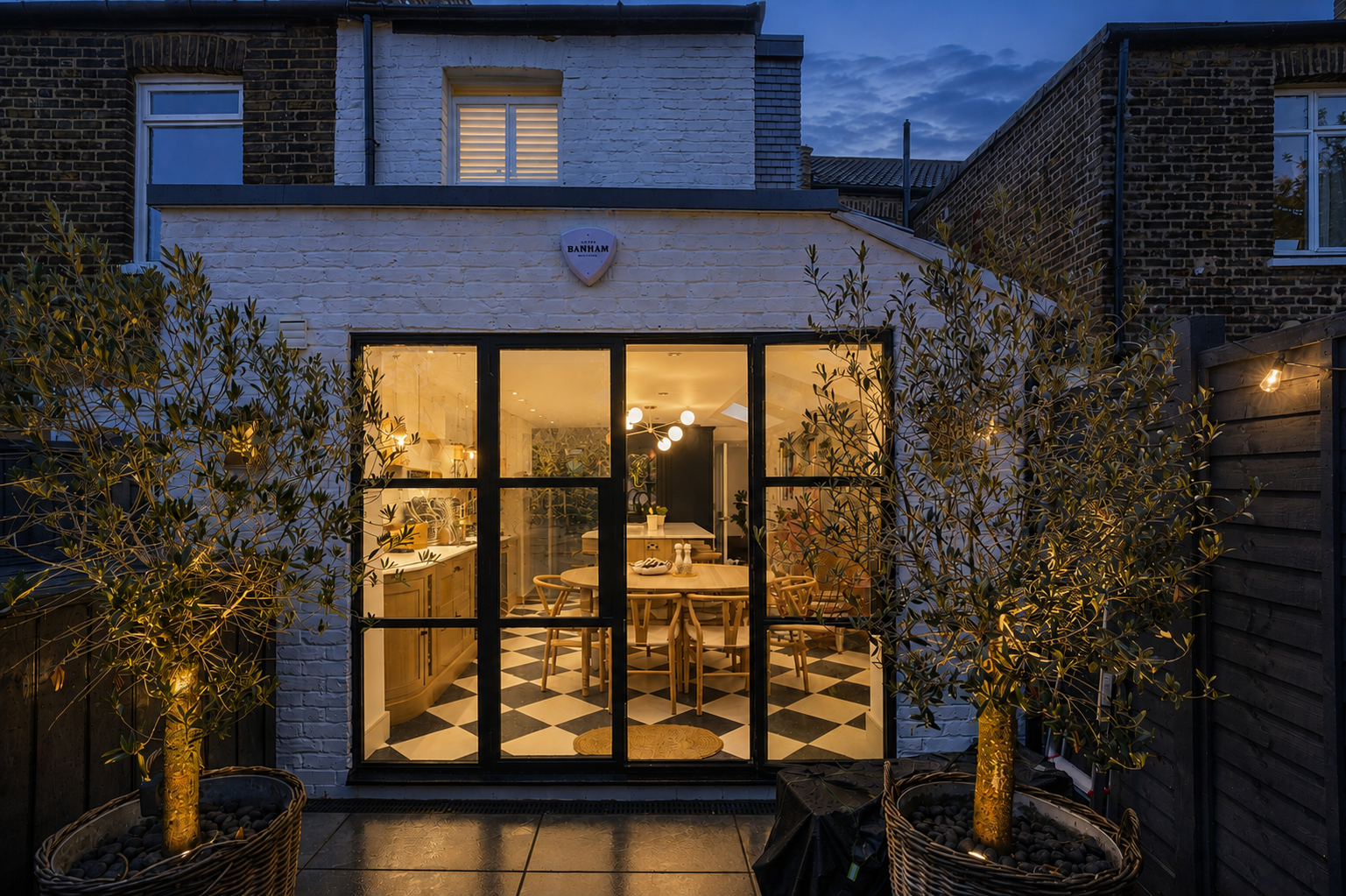
A carefully designed rear extension can create valuable additional living space, whether you want a larger kitchen, an open-plan dining area or a brighter family room.
Single-storey rear extensions are often worth exploring, as some can qualify for permitted development, depending on their dimensions and circumstances.
Other possibilities include side return extensions, wraparound extensions and double-storey additions. These will generally require planning permission, but that doesn’t mean they won’t be approved.
The key is creating a design that complements the original property and respects the surrounding architecture.
How to Get Planning Permission for an Extension in a Conservation Area
When assessing an application, the local planning authority will consider how the proposed extension affects the character and appearance of the conservation area.
This means factors such as the scale, materials, roof design, proportions and visibility of the extension can all influence the outcome.
Using traditional materials, matching existing architectural features and choosing sympathetic design details can help create a more cohesive result.
However, a contemporary extension isn’t automatically ruled out. Modern designs using glass, brick and other materials can work beautifully alongside period properties when they are carefully considered.
It’s also worth discussing your proposals with the planning department before submitting an application. Early advice can help identify potential issues and avoid unnecessary delays.
Planning a House Extension in a Conservation Area?
Extending a property in a conservation area requires careful planning, but it shouldn’t prevent you from making the most of your home.
If you’re considering extending your home, get in touch with Simply Extend at info@simplyextend.co.uk to discuss your ideas and explore what’s possible for your property.
Share this: